
Crisis communication basics remain an essential pillar of brand protection when unforeseen negative attention hits your organization. When an unexpected issue arises, the immediate instinct of many business leaders is to either hide behind silence or overreact in panic, both of which usually make the situation significantly worse. Having a structured, calm approach allows your team to evaluate facts, protect your reputation, and communicate effectively with your core audience before speculation fills the void. Knowing how to handle initial inquiries and draft responsible statements prevents minor operational hiccups from escalating into full-blown public relations disasters. The Presswick Media team put this guide together for you.
What Is Crisis Communication Basics?
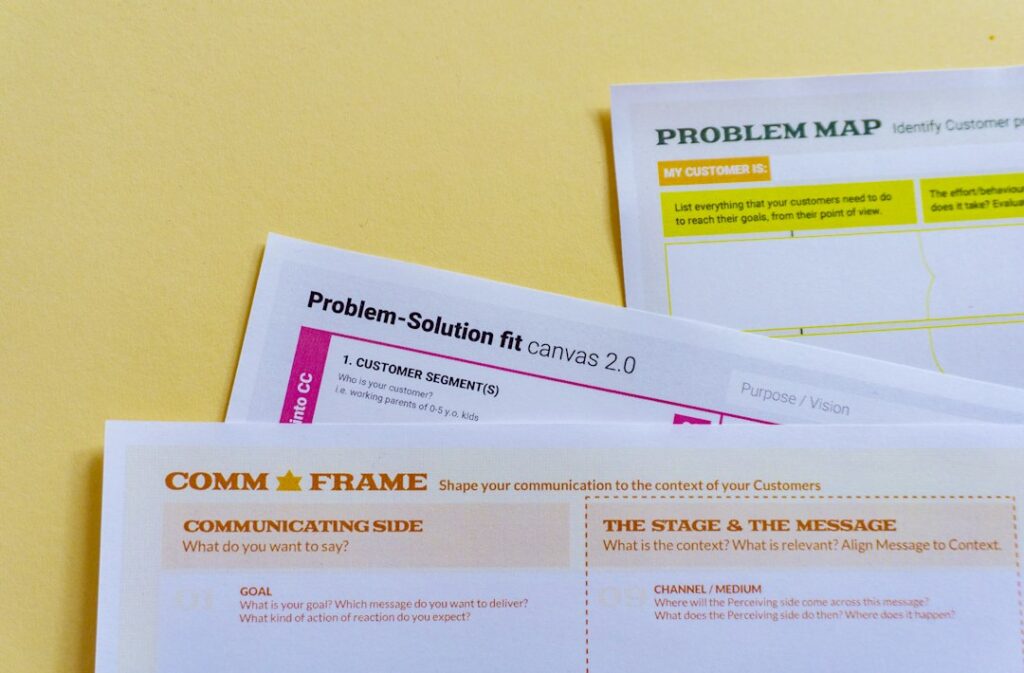
Crisis communication basics refer to the foundational strategies, protocols, and messaging frameworks that a business employs to manage sudden adverse events, negative press, or operational emergencies. These fundamentals ensure that internal teams and external stakeholders receive accurate, timely, and reassuring updates without causing unnecessary panic or liability issues. By mastering these core tenets, organizations can maintain trust, control the public narrative, and navigate high-pressure situations with steady confidence.
Every organization eventually faces a moment where public perception wobbles, whether due to a product failure, a service outage, or unfair criticism. The key difference between companies that recover quickly and those that suffer long-term damage is preparation. When you understand the underlying mechanics of public response, you stop guessing and start executing a proven playbook. This structural clarity saves precious hours when every second counts.
Effective management begins long before anyone drafts a public statement. It requires gathering your leadership team, mapping out likely vulnerabilities, and deciding who holds the authority to speak for the company. Establishing these internal lines of communication prevents contradictory statements from leaking out to reporters or anxious customers. If different departments give conflicting accounts, your brand loses credibility instantly, which is often harder to repair than the initial issue itself.
As you build your internal readiness, remember that your external assets play a vital role in how quickly you can respond. Keeping an up-to-date company media kit ready allows you to distribute accurate background information, executive bios, and official brand assets to journalists instantly. When reporters need fast facts, providing them immediately reduces the likelihood of guesswork or sensationalized reporting.
Establishing the Immediate Response Protocol
The first hour of any public relations challenge dictates the trajectory of the entire event. Your team must focus on gathering verified facts rather than reacting to emotional social media chatter or speculative journalism. Resist the urge to issue a knee-jerk defense or point fingers at external factors. Instead, acknowledge that an issue has been identified, state that your team is actively investigating, and commit to providing updates at a specific, designated time.
Transparency builds instant trust, even when the news is difficult to digest. If your business made a mistake, owning up to it clearly and concisely defuses much of the public anger. Consumers and industry peers respect accountability far more than corporate deflection or legalistic wordplay. Furthermore, keeping your messages concise ensures that media outlets do not take your words out of context or twist ambiguous phrases.
Internal alignment is just as important as external messaging during these critical windows. Employees are often your most passionate brand ambassadors, but they can also become accidental liabilities if they share unverified rumors on their personal social media accounts. Brief your staff on what they can and cannot share externally, ensuring everyone speaks with one unified voice. Clear internal briefings keep morale stable and prevent operational chaos.
When the dust begins to settle, look at how your earned media efforts can support your recovery narrative. Securing a positive earned media placement through industry publications or credible thought-leadership platforms helps overshadow past negative coverage with constructive, forward-looking stories. Rebuilding authority takes consistent effort, and proactive storytelling remains one of the best ways to restore stakeholder confidence.
Refining Messaging and Maintaining Long-Term Trust
Once the immediate emergency stabilizes, your business must transition from reactive damage control to long-term trust restoration. This phase involves following up on any promises made during the initial response, whether that means issuing refunds, upgrading security protocols, or retraining staff. Your audience will judge you not by how smoothly your business runs on a normal Tuesday, but by how reliably you deliver on your commitments when things go wrong.
Consistency across all communication channels is vital during this recovery period. Whether a customer visits your website, reads a press release, or interacts with your support team, the tone and facts must remain identical. For formal updates and announcements, adhering to established press release best practices ensures that your communications remain professional, transparent, and easy for journalists to digest without editorial distortion.
Here are the core principles to keep in mind as you refine your messaging strategy:
- Prioritize absolute accuracy over speed when releasing complex updates.
- Empower a single, designated spokesperson to prevent mixed messaging.
- Monitor public sentiment continuously to adapt your tone as needed.
- Document every step of the resolution process for future internal audits.
Reputation is built over years of consistent delivery and can be tested in a single afternoon through how transparently an organization handles its toughest moments.
After the crisis is completely resolved, hold a debrief meeting with your key stakeholders. Analyze what worked well, where communication bottlenecks occurred, and how your team can improve future readiness. Update your response documentation and train new team members on these protocols regularly. Crisis communication basics are not a one-time checklist; they are a living framework that evolves alongside your business.
If you have any questions, feel free to get in touch with us, https://presswickmedia.co.uk/contact/