
Media kit essentials form the backbone of how journalists, podcasters, and industry bloggers perceive your growing business. When a busy writer lands on your website looking for a high-resolution logo or a quick executive bio, they expect to find these resources without hunting around. If your brand assets are scattered across random folders or missing altogether, that journalist will likely move on to a competitor who makes their job easier. Building a reliable package of company materials shows professionalism and dramatically increases your chances of securing valuable press coverage. The Presswick Media team put this guide together for you.
What Is media kit essentials?
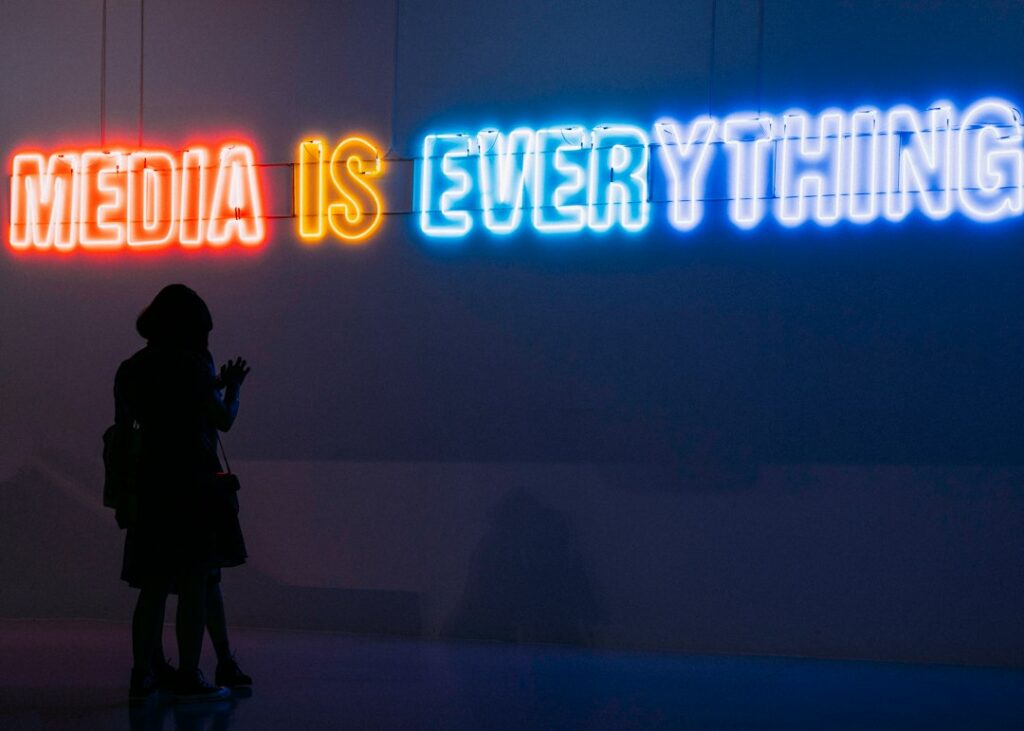
Media kit essentials refer to the core collection of promotional assets, company facts, and brand guidelines that a business makes publicly available for the press and partners. This digital or physical dossier typically includes high-resolution logos, founder biographies, boilerplate descriptions, and verified contact channels. By keeping everything organized in one centralized hub, you remove friction from the editorial workflow and protect your brand’s visual identity across external publications.
Every small business owner knows that earning trust in a crowded market takes consistent effort. Think of your promotional folder as your brand’s digital storefront for the press. When someone wants to write about your product or feature your founder on a podcast, they need accurate facts immediately. Relying on outdated PDFs or low-resolution image files creates unnecessary hurdles. Instead, you want to hand them a polished resource package that tells your story accurately.
Let us look at the fundamental elements you need to pull together. You do not need a massive design team or a huge budget to make this happen. A simple, well-structured webpage or a clean downloadable zip folder will do the trick nicely. Just make sure the information remains current, accessible, and easy to navigate for anyone who visits your site.
Building Your Core Brand Assets and Company Story
The visual foundation of your promotional package starts with your logo files. You should provide both dark and light variations of your logo in multiple formats, including vector files like SVG or EPS for print, and PNGs for digital use. Avoid sending massive raw files that choke email inboxes; instead, host them on a dedicated web page with clear download links. Alongside your imagery, include a short style guide outlining your brand colors with HEX codes and approved typography.
Next comes your company boilerplate, which is a standardized paragraph that explains who you are, what you do, and what makes your business unique. Think of it as your elevator pitch written for reporters. Keep it concise, engaging, and entirely free of corporate jargon. If you want your brand to gain traction, you should also look into earned media placement to maximize your visibility. When journalists pull text directly from your boilerplate, they get your message right every single time.
Your team bios and founder headshots deserve just as much attention. Provide high-resolution portrait photos alongside brief, fifty-word biographies for key leadership figures. If your company has a unique origin story, share a short narrative that highlights the problem you set out to solve. Journalists love a good human interest angle, and giving them ready-made narrative hooks makes their writing process much smoother. For broader digital visibility strategies, you might also want to explore ai search visibility principles.
Structuring Your Fact Sheet and Contact Channels
A comprehensive fact sheet is arguably the most practical item in your entire promotional package. This single-page document should summarize your founding date, headquarters location, key milestones, product lineup, and core statistics. When reporters are rushing to meet a deadline, they can scan this sheet to grab accurate numbers without scheduling an interview. For those planning out major announcements, checking out press release best practices will help you align your timing effectively.
You also need to outline your media kit essentials checklist to ensure nothing gets left behind before you publish your page:
- High-resolution vector logos and transparent image files
- Standard 50-word and 100-word company boilerplates
- Professional headshots and short bios for founders
- A one-page company fact sheet with key milestones
- Direct email addresses and phone numbers for press inquiries
A well-crafted promotional package does not just sell a product; it tells a compelling story that invites the world in.
Finally, make sure your contact information is unambiguous and monitored daily. Nothing frustrates a writer more than sending a time-sensitive pitch to a generic info box that nobody checks. Create a dedicated press email address, such as press@yourcompany.com, and list the specific media relations team member responsible for handling inquiries. Clear communication channels demonstrate that your business is responsive, professional, and ready to collaborate with the press.
Taking the time to assemble these resources pays off the moment a reporter reaches out. You will present a polished, credible image that inspires confidence and encourages glowing coverage. Keep your files updated at the end of every fiscal quarter so you are always prepared for unexpected media opportunities.
If you have any questions, feel free to get in touch with us at https://presswickmedia.co.uk/contact/.