
Publishing automation changes how modern editorial teams handle day-to-day content production by removing repetitive tasks and streamlining workflows. Instead of manually copying links, adjusting formatting, and sending endless reminder emails, writers and editors can focus on actual storytelling and audience strategy. Getting bogged down in administrative busywork drains team morale and slows down overall content velocity. The Presswick Media team put this guide together for you.
What Is Publishing Automation?
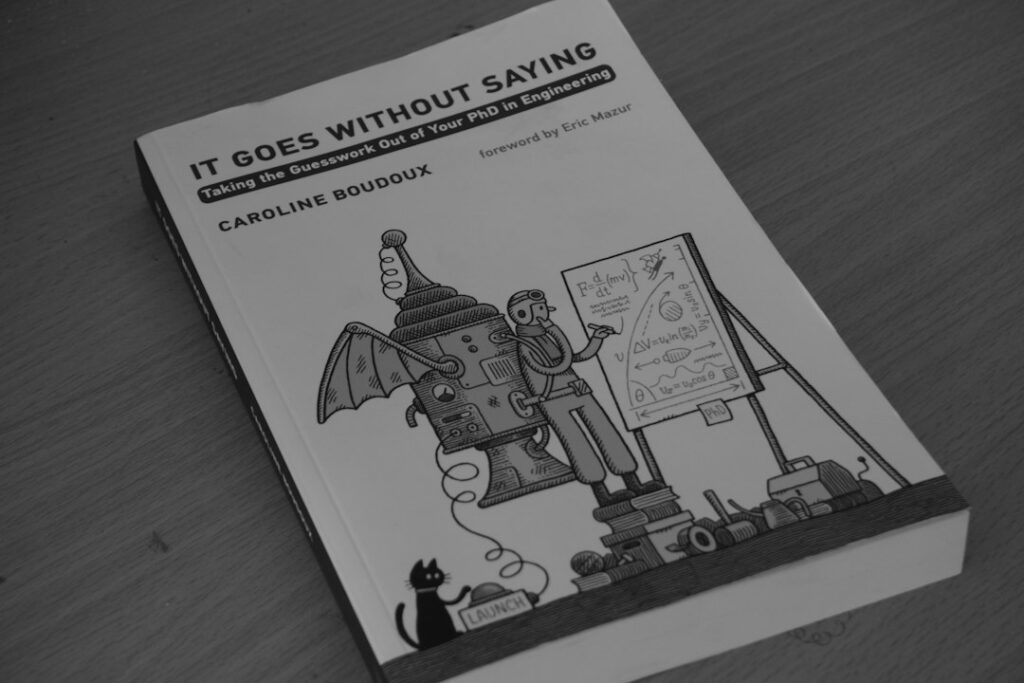
Publishing automation refers to the use of software tools to handle repetitive editorial tasks such as content scheduling, status updates, asset management, and cross-platform distribution without manual intervention. It acts as the connective tissue between your initial content idea and the final live article, ensuring that every step moves forward smoothly. By setting up predefined rules and triggers, teams can let technology handle the logistics while humans focus on the creative side.
When you run a modern publication, the sheer volume of moving parts can quickly overwhelm even the most organized managing editor. Between drafting, reviewing, tagging, optimizing for search engines, and scheduling social media announcements, human error becomes a constant risk. Missing a meta tag or forgetting to notify a stakeholder can delay a launch by hours. Introducing smart workflows into your daily routine protects your schedule and keeps your output steady.
Publishing automation also plays a huge role in maintaining brand authority over the long term. When your content pipeline runs smoothly, your audience receives consistent updates without sudden gaps in your publishing calendar. Whether you are building brand authority through thought leadership pieces or managing a complex editorial calendar, consistency is what separates amateur blogs from trusted industry publications. Readers notice when a site is regularly updated with high-quality material, and search engines reward that reliability.
Key Benefits for Modern Editorial Teams
Managing a content team means balancing creativity with tight deadlines, and administrative friction is the enemy of both. When editors spend half their day moving drafts through spreadsheets and chasing approvals, burnout follows close behind. Automating repetitive steps gives your team room to breathe and think strategically about search optimization and audience growth rather than just surviving the daily queue.
Here are the primary practical advantages your team will notice almost immediately:
- Drastic reduction in manual data entry and human error during content uploads.
- Predictable scheduling that eliminates the scramble of manual publishing.
- Clearer visibility into content queues so every team member knows their exact responsibility.
- Better alignment between writing, editing, and distribution teams through automated notifications.
- Maintained consistency across different channels, including newsletters and social feeds.
Beyond saving minutes here and there, automation fundamentally changes how editorial meetings feel. Instead of arguing about who forgot to push a live link or why a scheduled post failed, meetings focus on content quality, audience engagement, and upcoming campaigns. You stop acting as a human traffic controller and start acting like a true publication director.
Furthermore, keeping an eye on modern trends like AI search visibility requires your team to stay agile and responsive. If your editorial team is bogged down by manual chores, you will never have the mental space to adapt to new discovery algorithms or shifting reader habits. Automation frees up the exact hours you need to research, experiment, and refine your approach.
Best Practices for Implementing Editorial Workflows
Adopting new tools always requires a thoughtful approach, or you risk creating more confusion instead of solving it. Start by mapping out your current manual steps from the moment a writer submits a draft until the article goes live on your site. Look for the specific bottlenecks where files sit waiting for review or where simple human oversight causes delays. Once you identify these friction points, introduce automation gradually rather than overhauling your entire stack overnight.
“Simplicity is prerequisite for reliability.” – Edsger W. Dijkstra
Involve your writers and editors in the tool selection process because they are the ones who will live inside these workflows every single day. If a system is too rigid or complicated, your team will find creative ways to bypass it, rendering your automation efforts useless. Choose intuitive platforms that integrate smoothly with your existing content management system and communication channels.
Finally, remember that automation is meant to support human creativity, not replace it entirely. Keep human check-ins at crucial editorial milestones, such as final proofreading and tone checks, to ensure your voice remains authentic. By striking the right balance between software efficiency and human judgment, your publication can scale its output without ever sacrificing quality.
If you have any questions, feel free to get in touch with us, visiting our contact page.